

Adnan Shahzad
Solutions Architect
3 Signs Your Business Is the Nokia in Your Industry
Once upon a time, Nokia dominated the mobile phone market.
Then — it didn't.
It didn't collapse overnight. It faded — slowly, quietly — while the world moved on.
Most businesses don't realise they're becoming the next Nokia until it's already too late.
Here are 3 clear signs your business might be heading in the same direction.
You're Winning — But in the Past

You keep talking about:
- "We've been in business for 10+ years"
- "We used to be the market leader"
- "Our product worked great before"
That's the problem — before.
Markets don't reward history. They reward relevance.
Nokia had market share. Others had innovation.
If your biggest strength is your past success, you are already behind — you just haven't felt it yet.
The most dangerous position in business isn't struggling — it's succeeding on yesterday's terms.
You Ignore Small Changes in the Market
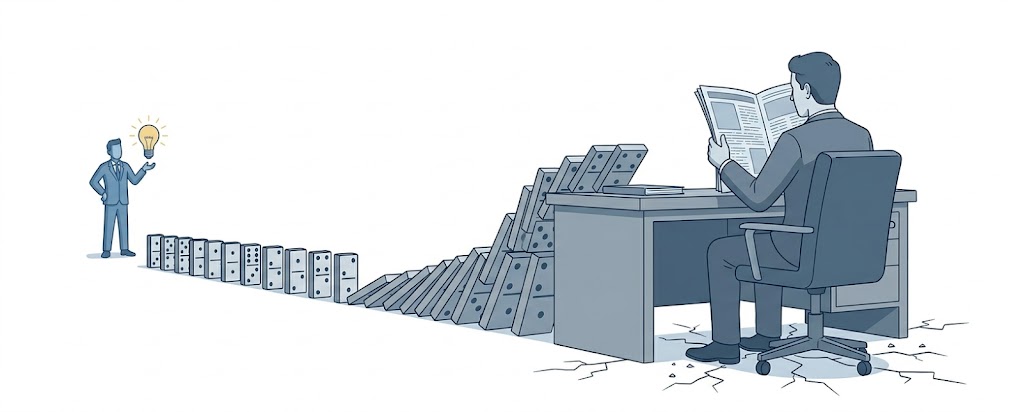
Big disruption rarely feels "big" at the start.
- New competitors seem small
- New technology looks unnecessary
- Customer behaviour shifts… slowly
That's exactly how companies like Kodak missed digital transformation — not because they were blind, but because the early signals were easy to dismiss.
If you're saying "this is just a trend" or "our customers won't switch," you are reciting the same lines that have preceded every major business collapse in the last 30 years.
You Resist Change Internally
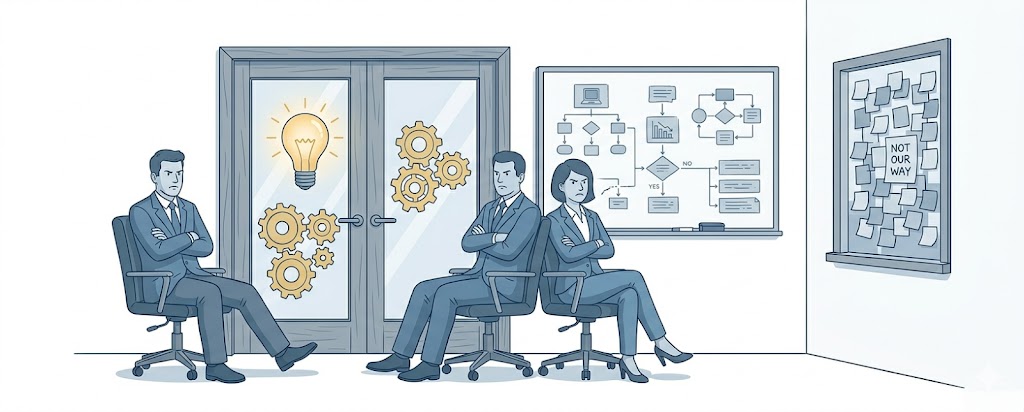
The biggest threat to most businesses isn't a competitor. It's internal resistance.
Signs include:
- Slow decision-making
- Fear of trying unproven ideas
- The quiet veto of "this is how we've always done it"
Even when Nokia saw smartphones coming, they couldn't adapt fast enough internally. The engineers knew. The data showed it. The organisation couldn't move.
Your company doesn't fail because change is hard. It fails because it refuses to change fast enough.
Final Thought
No company plans to become irrelevant. It happens when you celebrate the past, ignore the present, and resist the future — usually all three at once.
Stop asking: "Are we successful today?"
Start asking: "Are we still going to be relevant tomorrow?"
Have a question about this?
If this resonates with a challenge you're facing, I'd like to hear about it.
Let's talk